Iranians are reportedly stealing groceries and basic necessities to survive – prompting experts to predict the embattled nation could be approaching an economic breakdown.
The reports come as grocery prices in Iran have skyrocketed since war broke out with the US in February, with bread up 140%, dairy up 116.8% and food and drink prices overall up 113.8%, according to the Statistical Center of Iran.
It’s exactly the kind of on-the-ground crisis that experts suspect could spark a society-crumbling crisis in Iran.
“These are anecdotal, but they align with hard data,” Foundation for Defense of Democracies associate fellow Miad Maleki told Fox News of the theft reports. “Iran is already inside the tipping zone.”
The reports of theft came from local newspaper Jahan-e Sanat, which spoke to grocery store workers who described seeing an uptick in shoplifting at their stores in the last 10 months.
Customers have been increasingly stealing staples like meat, cheese, butter and breads, one worker told the outlet.
“I think poverty is the main reason,” the worker said. “You cannot judge everyone the same way, but when someone steals a simple item, they are probably under enormous pressure.”
It’s that pressure which could spark a nationwide breakdown – exactly the kind which have toppled nations during times of war in the past, Maleki said.
“A genuine ‘tipping point’ wouldn’t be a single dramatic event. It would look like what’s already unfolding in slow motion,” he said. “Currency collapse, World War II-level food inflation and now theft of staples, reaching a threshold where basic caloric-nutritional access breaks down for a large share of the population, not just the poorest.”
Follow The Post’s coverage of the war in Iran:
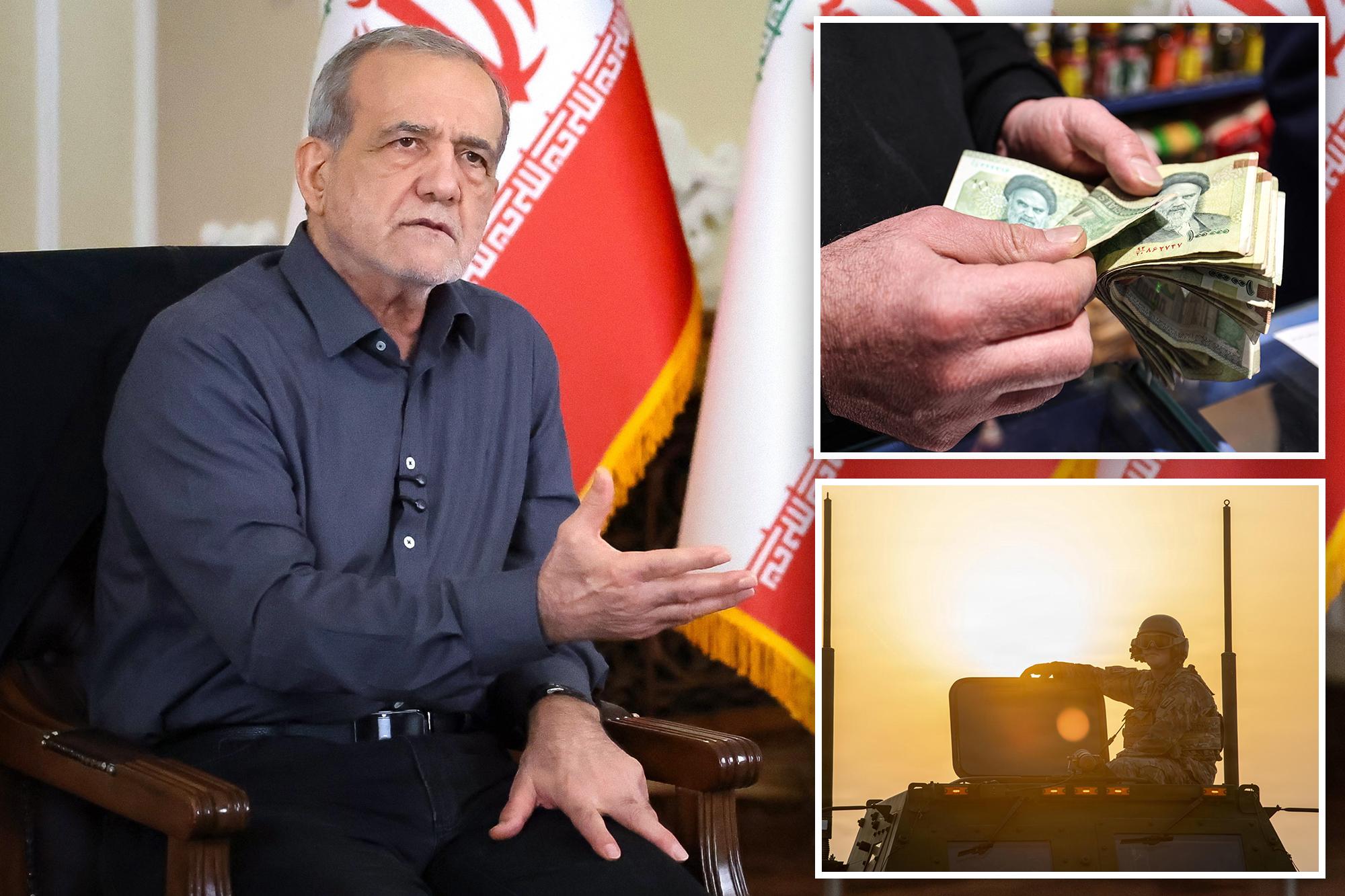
Iran’s president even appeared to publicly acknowledge a crisis could be near during a national address Wednesday where he said the nation was facing “difficulties and problems.”
“The enemy is exerting pressure in an attempt to provoke the people into protesting,” President Masoud Pezeshkian said during the address, while insisting Iran remained respected and strong.
But experts weren’t so sure about that strength, cautioning that economic instability has always been the biggest threat to the Iranian regime’s grip on its people.
“The regime’s own history proves it, because its most dangerous moments have been economic, not ideological,” Said Maleki. “While a single newspaper’s petty-crime roundup isn’t proof of imminent collapse, it’s a credible symptom layered on top of verified macro data.”