Iran’s parliament is pushing a new bill that could put Iranians in prison for up to two years just for speaking out about the country to US or Israeli media.
The bill would criminalize interviews and communications with the media deemed hostile to the Islamic Republic, according to local reports.
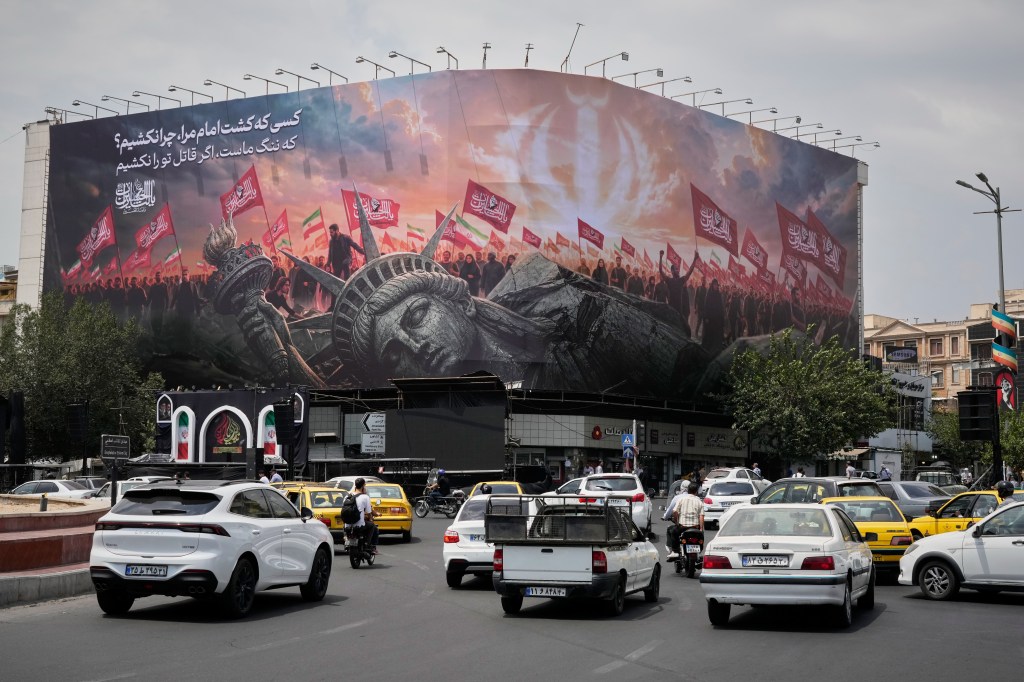
Under the proposed bill, openly sharing information with the world of what’s happening inside Iran that isn’t approved by the regime would result in a sentence of six months to two years in prison, the Shargh newspaper reported.
Interviews with foreign media, like the ones that have come out of Tehran during the war, would require the permission of Iran’s intelligence ministry.
The proposed crackdown on free speech for the country’s 93 million people comes amid a recent wave of reports of Iranians struggling to make ends meet as the war with the US drags on toward its sixth month.
Soaring inflation and unemployment has left some in the Islamic republic to reportedly start stealing food to survive or forego medical treatment to save money.
The situation is expected to get worse as the US naval blockade continues, with US Treasury Secretary Scott Bessent vowing to apply even more economic pressure against Iran.
The regime, however, has maintained that it can endure greater economic pains than the US as the midterm elections approach.
The proposed Iranian legislation also seeks to punish any policy or legislative proposals made under the direction of foreign intelligence services that may harm Iran’s security or independence.
Such cases would be tried by Revolutionary Courts, which regularly side with the regime, and anyone found guilty would face prison terms of up to 30 years.
Osman Salari, a member of parliament’s judicial and legal commission, said the individual provisions of the bill have not yet been debated or approved.
The Islamic republic passed a similar law following last year’s 12-day war, which was recently used to sentence Iranian photojournalist Yalda Moaiery to 15 years in prison.
Moaiery was convicted of giving interviews to media deemed hostile to Iran and providing photographs to US- and Israel-linked organizations.
With Post wires